

Nobody wakes up excited to buy an air conditioner; you buy one because the old unit died, usually right in the middle of a heat wave. If you’ve started calling around about AC installation in El Monte, CA, you already know the frustrating part. Three companies come back with three different prices, and not one of them seems to line up with the others. It feels random, and that randomness makes it hard to tell who’s being straight with you and who’s just hoping you won’t ask questions. But here’s the thing worth knowing: the prices aren’t random at all. They come down to a few real factors that anyone can understand, and once you do, the whole decision gets a lot less stressful to make. So here’s what actually moves that number up or down, laid out in plain terms, so you can stop guessing and start asking the sharper questions instead.
1. Why Nobody Can Quote You Blind
Be a little wary of anyone who hands you a firm price over the phone, before they’ve ever set foot in your house. A real quote depends on a stack of things a company simply can’t know from a quick phone call, no matter how experienced they are. How big the house is, how it’s laid out, the shape and age of the ductwork already running through it, even how much afternoon shade the building gets, all of it feeds into the math. A company worth hiring will send someone out to measure, walk the rooms, and ask a few questions before they put a number down in writing. That home visit isn’t a sales trick designed to corner you. It’s the only honest way to land on a price that won’t quietly grow on you halfway through the job, and that peace of mind is worth the short wait.
2. The Unit Itself Is the Starting Point
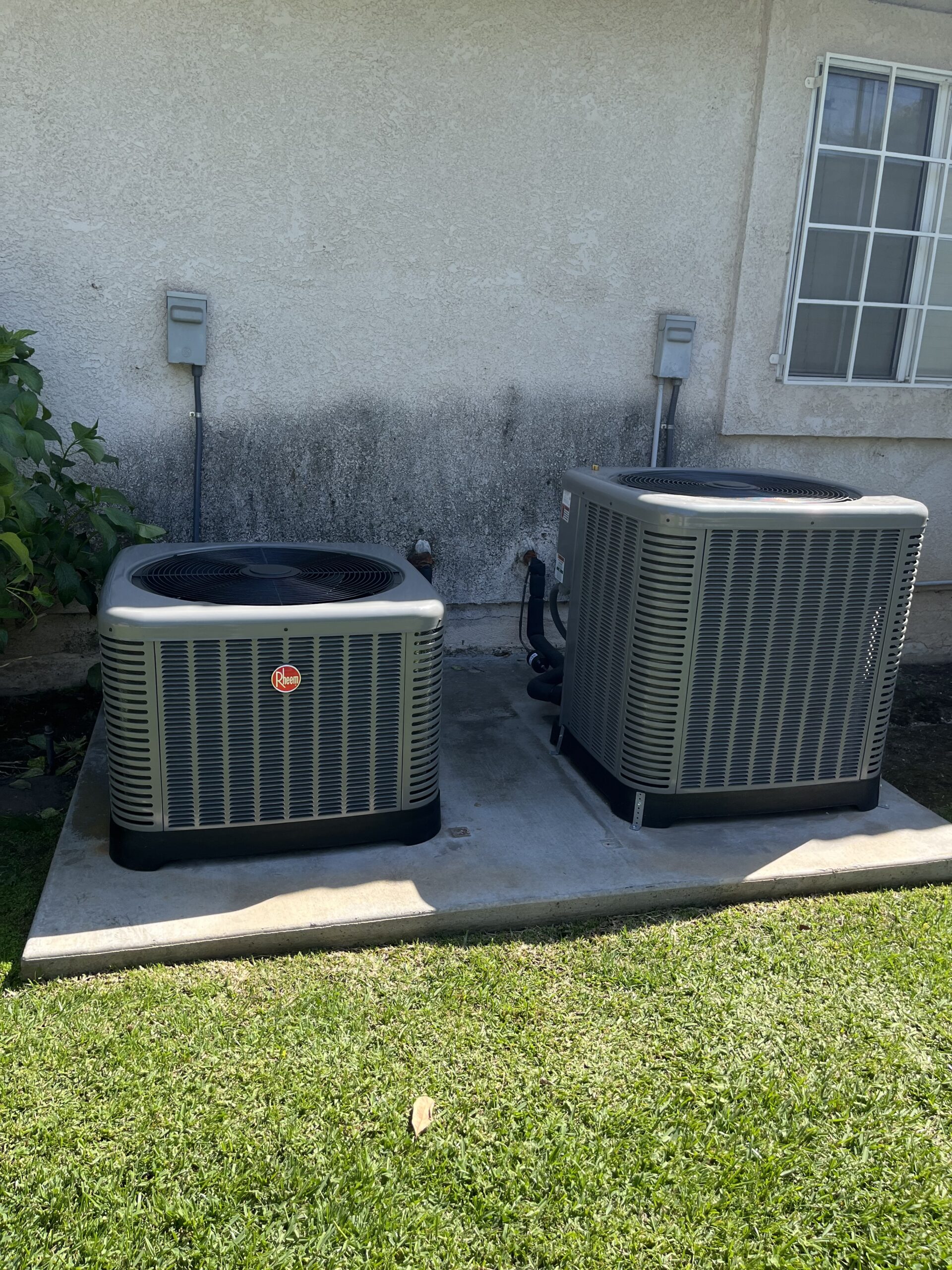
The air conditioner you pick sets the floor for everything else that follows. Size comes first, and bigger is definitely not better in this case. A unit that’s too large for the house short-cycles, clicking on and off all day long, while one that’s too small just runs and runs without ever cooling the place down properly. Efficiency is the next piece of the puzzle, shown by the SEER rating, and a higher number costs more money now but shaves a little off every summer bill for years afterward. That’s a big part of why the cost to install a new air conditioner for a home can look so wildly different from one house to the next. A basic, correctly sized unit and a premium high-efficiency system are simply two different purchases, and the right one depends on your home and how long you plan to stay in it.
3. What’s Behind Your Walls Matters Too
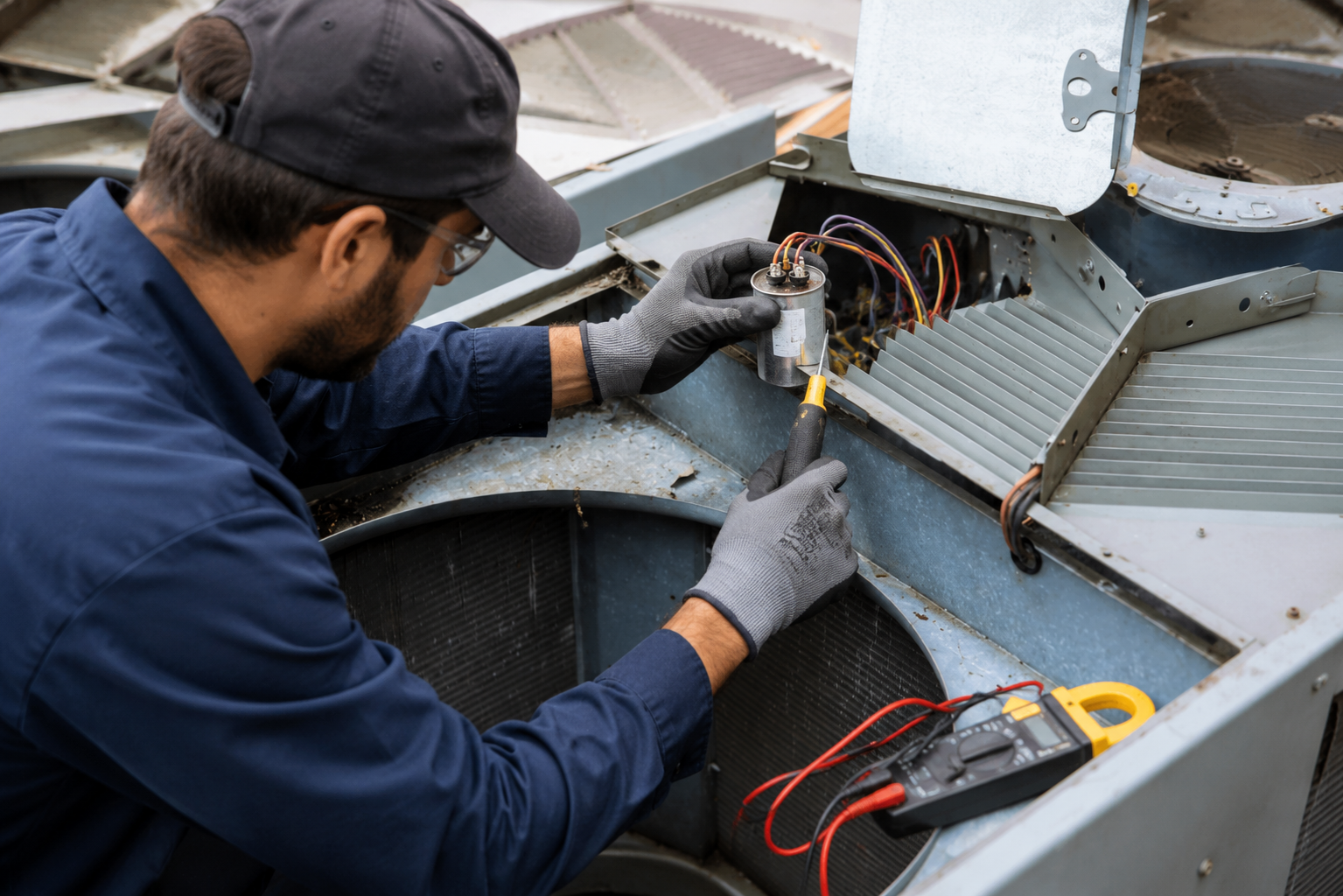
The unit itself is only ever half of the bill, and that surprises a lot of people. The other half is the labor of getting it installed the right way, by someone who knows the system. If the ductwork in your home is old, leaky, or simply the wrong size for the new system, it may need repair or full replacement, and that cost adds up quickly. Electrical can be a factor too, because a new system sometimes needs an updated circuit, or even a bit of panel work, in order to run safely. Add in the small things people always forget to plan for, like hauling off the old unit, pulling permits, and patching up the spots the work disturbs, and it becomes clear why the price on the box was never the whole story.
4. Before You Commit, Repair or Replace?
Before you spend real money on a full installation, it’s worth asking whether you even need one yet. If the system isn’t that old and the problem turns out to be a single broken part, fixing it is often the smarter and far cheaper move to make. In that situation, air conditioning repair in El Monte, CA, could save you thousands of dollars compared with buying a whole new system. Replacement starts to make more sense when the unit is genuinely old, when the repair bills keep piling up one after another, or when the thing is so inefficient that running it costs you real money every single month. A trustworthy technician will tell you straight which side of that line you fall on, even when the honest answer means a smaller and less profitable job for them.
5. Getting a Number You Can Actually Trust
Once you understand what drives the cost, getting a fair quote becomes a great deal simpler and a lot less intimidating. Collect two or three separate estimates, and make sure every one of them is itemized, so you can see the unit, the labor, and the extras broken out on their own lines. Watch out for the quote that lands far below all the others, because that gap tends to reappear later as surprise charges once the crew is already deep into the work. Look closely at what each quote actually covers beyond the unit, including the warranty, the permits, and the cleanup at the end. The best installation was never the cheapest one on the list. It’s the one that’s sized right, installed right, and backed by a company that’ll still pick up the phone next summer.
Conclusion
A new air conditioner is a big purchase, but it stops feeling like a gamble the moment you understand what you’re actually paying for. The final price reflects the unit you choose, the real condition of your ductwork and electrical, and the extras that come with doing the job properly. Before you sign anything, take a moment to make sure replacement is truly the right call and not just a repair wearing a disguise. After that, collect a few itemized quotes, compare them side by side with an honest eye, and go with the company that patiently explains its numbers instead of simply defending them. Do all of that, and you’ll end up with a system that keeps the house cool for years to come, bought at a price that genuinely feels fair instead of forced.
“Don’t guess on a new AC. Call Wukmir Heating and Air Conditioning at 626-442-2148 for a clear, itemized quote and a unit sized right for your home.”
FAQs
Q1: How much does a new AC installation cost in El Monte, CA?
For most El Monte homes, the cost comes down to the size and efficiency of the unit, plus the condition of your existing ductwork and electrical system. Because those things vary so much from one house to the next, the only accurate figure comes from an in-home estimate.
Q2: How long does it take to install a new air conditioner?
A straightforward replacement is often wrapped up in a single day, while jobs that involve new ductwork or electrical work can stretch to two. A good company will give you a clear timeline before they ever start.
Q3: What size air conditioner does my home need?
That depends on your square footage, insulation, windows, and layout, not just a rough guess. A technician runs a proper load calculation, since a unit that’s too big or too small both end up costing you comfort and money.