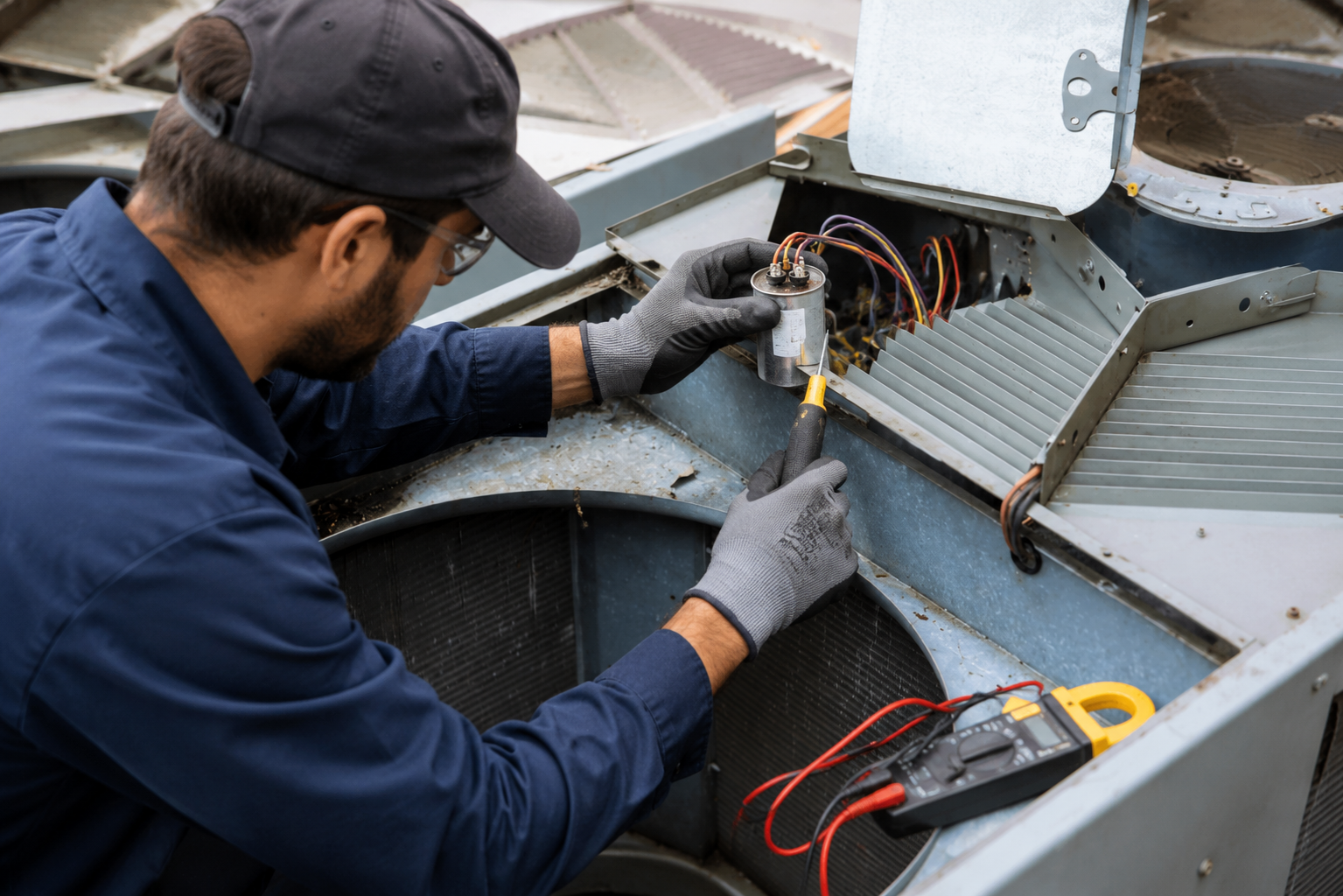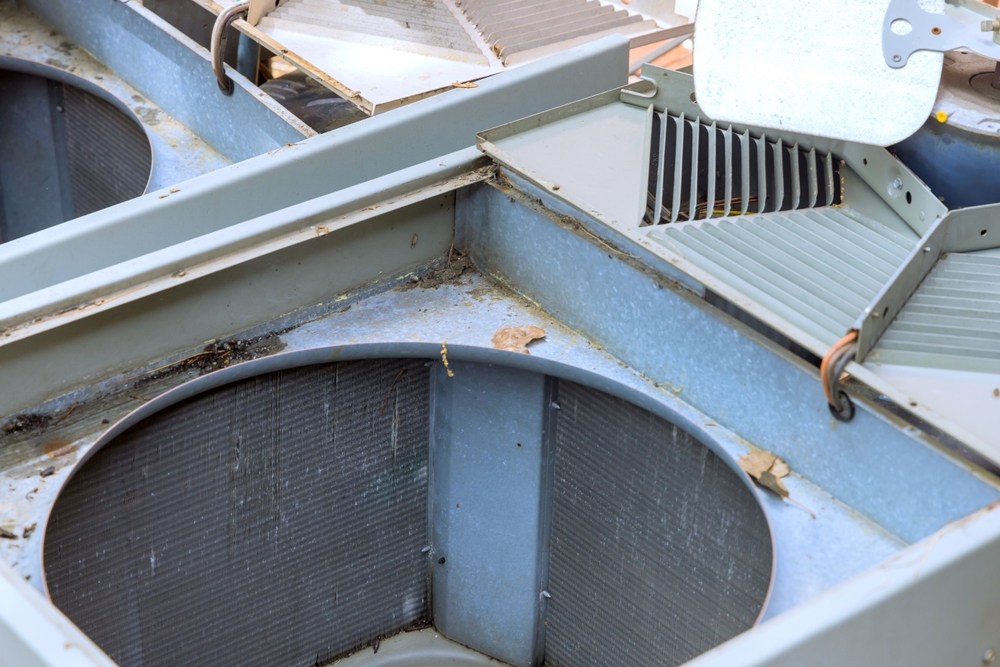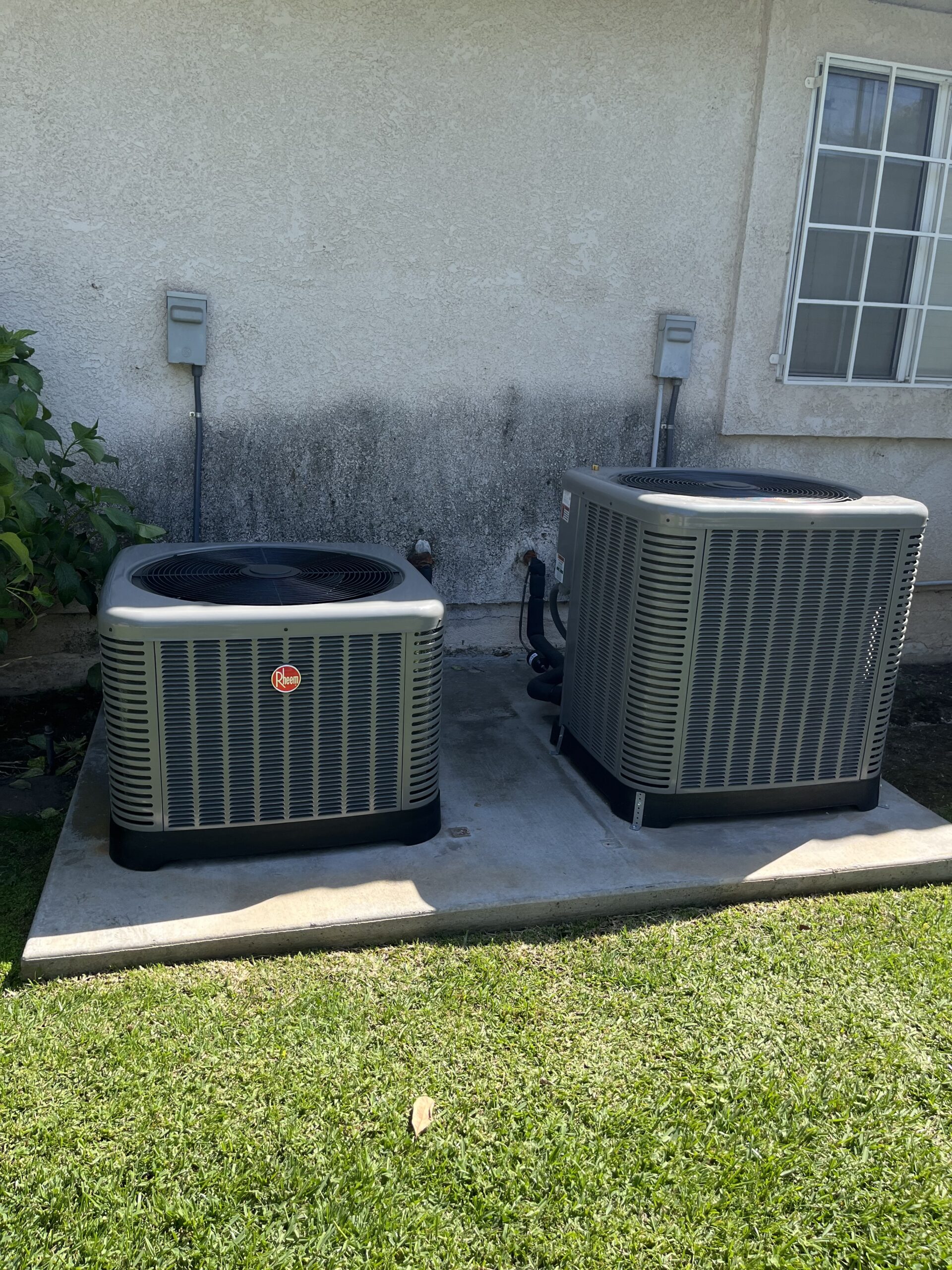


Every metal project has a story. Some start with a napkin sketch; others come with a detailed drawing in hand. Either way, it all goes through a few careful stages before you end up with the final piece. That’s where sheet metal fabrication services in El Monte, CA come in. Whether it’s ductwork, machine panels, or a small custom bracket, the process follows a clear path that combines hands-on skill and engineering.
A lot of people imagine fabrication as just cutting and welding metal together. It’s not that simple. It’s more like problem-solving with steel and aluminum. The work involves measuring, cutting, bending, fitting, and checking again, sometimes twice. A good fabricator knows that even a small miscut can ruin an entire section. Precision takes patience, and it shows in the final product.
1. Listening to What the Customer Really Needs
It starts with a sit-down. The customer explains what they’re after, how it’ll be used, and what kind of strength or finish they expect. This step sets the tone for the entire project. The fabricator takes notes, asks questions, and sometimes sketches a quick outline right on the table. If something doesn’t sound practical, they’ll say so. It’s a conversation, not a form to fill out. That back-and-forth helps both sides get on the same page before a single tool is picked up.
2. Turning Ideas into Real Plans
Once the goal is clear, the design moves to the drafting table, or these days, onto a computer screen. Using CAD software, the engineer or technician makes exact blueprints showing every angle and edge. This stage also helps plan how much material will be needed and where each cut will go. It’s not just about drawing; it’s about thinking ahead to save time and reduce waste later. Every corner, hole, or curve is planned with purpose.
3. The Cutting and Shaping Stage
Now the action begins. Sheets are measured out and placed on cutting machines. Plasma cutters, laser cutters, or press brakes do most of the work, but skill still matters. Machines don’t see what the human eye can. A trained fabricator checks alignment, smooths out rough edges, and makes small adjustments as needed. If something’s even a fraction off, they fix it on the spot. That’s how you get a piece that fits perfectly when it’s assembled later.
4. Building, Welding, and Polishing
After each part is cut, the real build starts. Welding comes next; this is where everything comes together. It’s not just melting metal; it’s about control. A sloppy weld can weaken the structure, so a steady hand is key. Once welded, the parts are ground, cleaned, or coated to protect against corrosion. For items that’ll be visible, polishing gives that clean, professional look. It’s the small touches that separate solid work from sloppy work.
5. Final Inspection and Delivery
Before a project leaves the shop, someone always checks the details. The team looks for sharp edges, bad welds, or anything out of alignment. They compare the finished product to the original drawings to make sure it matches. Only after it passes inspection does it get wrapped up for transport. Delivery day is the reward for all that careful effort; it’s the moment the concept becomes something real and ready to use.
Fabrication is part art, part engineering, and a lot of plain hard work. Every job follows a pattern, plan, design, cut, build, test, but the people doing it make the difference. The best projects come from steady hands, patient eyes, and folks who care about the details. Whether it’s a single vent piece or a full-scale installation, a good fabrication job stands strong and lasts for years.
“For dependable custom metal work, reach out to our team at Wukmir Heating and Air Conditioning at 626-442-2148.”