

There is a version of sheet metal fabrication that looks fine until someone tries to actually use what comes off the floor, and most people who have been in this industry long enough have seen it more than once. Investing in sheet metal fabrication services in El Monte, CA, done by a team that takes the engineering seriously, means the component that shows up on a job site fits the way it was supposed to, connects cleanly to what surrounds it, and does not require field improvisation to make it work. That outcome sounds like it should be the standard, and it should be, but it is not always what people get when the engineering discipline is treated as a formality rather than the actual foundation of the work.
1. Getting the Design Stage Right Is Where Everything Else Starts
A fabrication job that reaches the cutting floor with vague drawings or unconfirmed dimensions is already carrying problems that will land on whoever installs the finished piece, usually at a point in the project where nobody has time for them. Detailed technical drawings with verified measurements, material callouts, and tolerance specifications give the fabricator something real to work from rather than a general direction that gets interpreted differently at every stage. The time invested in getting the engineering documentation right before anything gets cut is not overhead; it is what determines whether the component fits on the first attempt or requires modification in the field. Skipping that stage to move faster almost always produces the opposite of faster.
2. Material Choice Is a Performance Decision That Gets Made Too Casually
Gauge, grade, and finish are not interchangeable variables to be resolved by whatever is cheapest or most available this week. A lighter gauge that trims the material budget can introduce flex under load, vibration in mechanical applications, or corrosion in environments where the surface sees moisture or chemical exposure regularly. Matching material specification to the actual conditions the component will face in service is an engineering conversation, not a procurement one, and it needs to happen early enough in the process to actually influence what gets ordered. Getting it right during planning costs nothing extra; correcting a material decision after fabrication is already complete costs a great deal.
3. Modern Cutting Equipment Changed the Accuracy Conversation Permanently
Laser cutting and CNC punching removed a substantial amount of the variability that manual cutting introduced into production runs, and the practical difference on a job site is real. Consistent cut quality across every piece in a batch means components from the same run fit together predictably without individual adjustment at assembly. For HVAC and mechanical applications where multiple fabricated pieces need to connect cleanly across an installation, that consistency is not a luxury; it is what makes the whole thing work without someone standing there with a grinder making things fit. The equipment matters, but the operator behind it still determines whether the accuracy the machine is capable of actually shows up in the finished product.
4. Bending Tolerances Are Where Quiet Problems Get Introduced
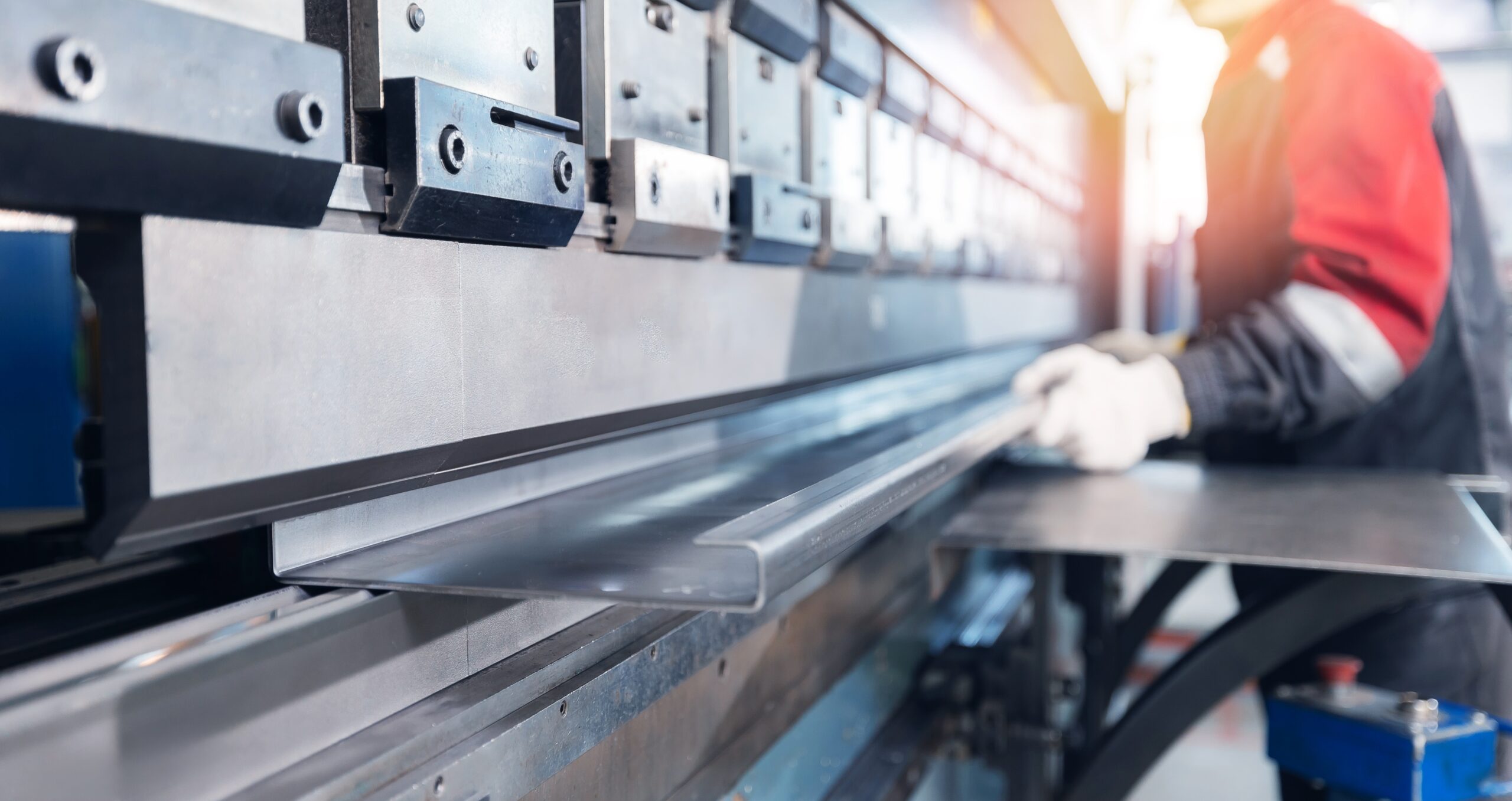
A dimensionally perfect cut followed by a bend that is a few degrees off still produces a component that does not fit the way the drawing said it would, and this is where fabrication quality falls apart without anyone being able to name the exact cause right away. Press brake operations require calibrated equipment, experienced setup, and an understanding of how specific material grades behave differently under forming forces including springback and thinning at bend radii. These are not abstract engineering concerns; they are the practical variables that determine whether a formed component holds its geometry across a production run or drifts gradually in ways that compound through assembly. Getting bending right requires the same attention as getting cutting right, and it does not happen automatically just because the equipment is modern.
5. Verification Before Shipment Is What Makes the Whole Process Worth Trusting
Fabrication that goes out the door without being checked against the original specification is not a finished product; it is a hope that everything went as planned. Dimensional inspection, fit verification on critical surfaces, and finish confirmation against the drawing are the steps that close the loop between what was engineered and what was actually produced. A team that builds verification into the process rather than treating it as optional creates a track record of components that arrive ready to install without surprises. That reliability is worth more to contractors and project managers than a slightly lower price from a shop that ships first and deals with problems afterward.
Conclusion
Precision engineering in sheet metal fabrication is not an upgrade tier; it is the entire difference between work that holds up and work that creates problems for everyone downstream. Every stage from design through material selection, cutting, forming, and final check either adds to that precision or quietly undermines it. Do it properly from the start and the component does its job without anyone having to think about it again.
“Call us Wukmir Heating and Air Conditioning at 626-442-2148 today! We fabricate sheet metal components with real precision so everything fits right the first time.”
FAQs
Q1: What industries rely on sheet metal fabrication services in El Monte, CA?
HVAC is probably the most visible, but construction, automotive, and light manufacturing all depend on quality fabrication work regularly. Sheet metal fabrication services in El Monte, CA, show up in custom ductwork, mechanical enclosures, structural brackets, ventilation components, and a long list of other applications that nobody notices until something is wrong with them. A fabrication team that has worked across multiple industries brings a kind of practical problem-solving that single-sector experience simply does not develop. That breadth matters more than most people give it credit for when a project has unusual requirements.
Q2: How much does precision actually affect sheet metal fabrication quality in El Monte, CA?
More than any other single factor, honestly. Measurements that are even slightly off create gaps, misaligned connections, and stress points that add time and frustration to installation, regardless of how well everything else on the job was handled. Fabrication work in El Monte, CA, that gets the engineering right from the start consistently produces components that go in cleanly and stay that way. The difference between precise and approximate is not always obvious when you are looking at a raw piece of metal, but it becomes very obvious the moment someone tries to install it.
Q3: How long does a custom sheet metal project in El Monte, CA, typically take?
It genuinely depends on how clearly the project requirements are defined before anyone picks up a tool. Simple components for standard HVAC applications in El Monte, CA, move quickly when dimensions and material specifications are confirmed upfront, and nothing needs to be revisited mid-production. Custom architectural or mechanical work with tight tolerances takes longer because the engineering stage requires real iteration before cutting begins. The single most reliable way to shorten a fabrication timeline is to arrive with detailed, verified drawings rather than a general idea of what is needed.