


Get a Free Estimate!
Once you submit, we may reach out to you via phone, email, or text to fetch information, which you can opt out of at any time. We will never share your personal information with third parties for marketing purposes. Consent is not a condition of purchase. Message/data rates apply.
Terms and Conditions | Privacy Policy.

The Practical Guide to Air Conditioning Services
Get a Free Estimate!
Once you submit, we may reach out to you via phone, email, or text to fetch information, which you can opt out of at any time. We will never share your personal information with third parties for marketing purposes. Consent is not a condition of purchase. Message/data rates apply.
Terms and Conditions | Privacy Policy.
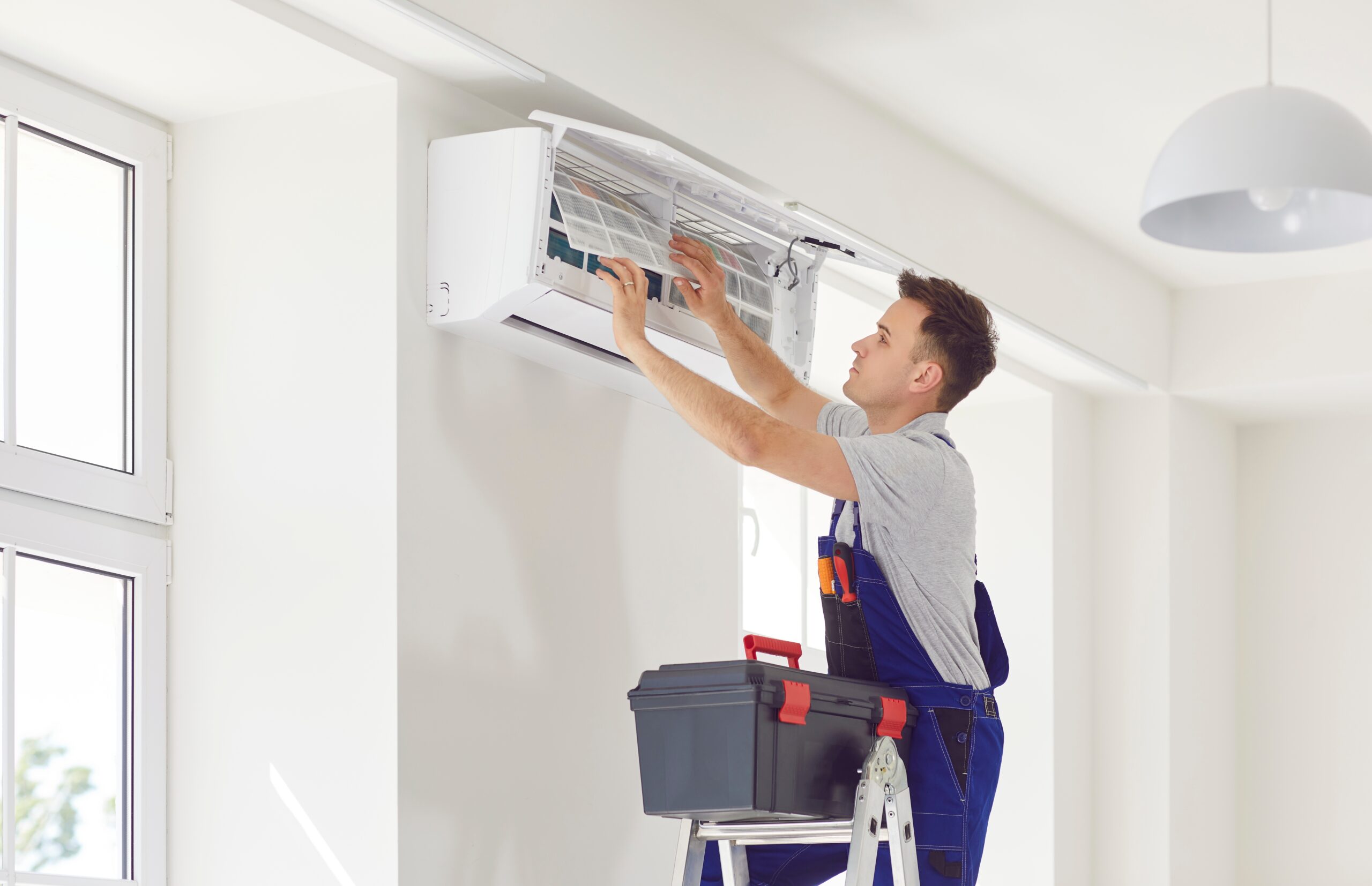
Air conditioning systems are no longer considered seasonal luxuries. In many homes, they operate continuously throughout the year, quietly managing temperature, humidity, and airflow. Yet when performance drops or energy bills rise, many homeowners realize they are unsure how their cooling system truly works.
Service appointments often introduce unfamiliar terminology: refrigerant charge levels, compressor efficiency, static pressure, evaporator coil cleaning, or system capacity. Without clear explanations, it becomes difficult to know whether a repair is minor, urgent, or avoidable with preventive care.
At Wukmir Heating and Air Conditioning, homeowners receive practical guidance that connects technical findings to real comfort outcomes. This guide explains air conditioning services in clear language so you can understand how your system functions, when maintenance matters, and how to make informed cooling decisions for the long term.
What Air Conditioning Services Include and Why They Matter for Daily Comfort
Air conditioning services extend far beyond simply restoring cold air. A complete service evaluates airflow, refrigerant levels, electrical components, drainage systems, thermostat calibration, and overall system balance. Each of these factors influences how effectively your home cools during peak heat.
Professional technicians assess whether the system is operating within manufacturer specifications. Even small deviations, such as low refrigerant or restricted airflow, can reduce cooling efficiency and strain critical components. Over time, that strain increases operating costs and shortens equipment lifespan.
When homeowners schedule routine air conditioning services, they are protecting more than temperature control. They are preserving equipment durability, energy performance, and indoor air quality.
How an Air Conditioner Operates as a Coordinated Cooling Cycle
An air conditioner functions as a closed-loop system designed to transfer heat rather than create cold air. Understanding this process helps homeowners recognize why maintenance directly impacts performance.
The cooling cycle works through the following sequence:
- The thermostat detects rising indoor temperatures.
- The compressor activates and circulates refrigerant.
- The evaporator coil absorbs indoor heat.
- The condenser releases that heat outdoors.
- Conditioned air moves through ductwork into living spaces.
When this cycle flows smoothly, cooling feels consistent and balanced. If airflow is blocked or coils are dirty, the system compensates by running longer. Longer run times increase electrical consumption and accelerate wear on major components.

Key Components That Influence Cooling Efficiency and System Reliability
- Compressor: Often described as the heart of the system, it circulates refrigerant through the cooling cycle.
- Evaporator Coil: Located indoors, it absorbs heat from interior air.
- Condenser Coil: Positioned outside, it releases collected heat.
- Air Handler or Blower Motor: Pushes cooled air throughout the home.
- Expansion Valve: Regulates refrigerant flow for efficient heat exchange.
If any one of these components underperforms, the entire system loses balance. For example, restricted coils reduce heat transfer efficiency, while blower motor issues create uneven cooling. Detailed inspections identify these imbalances before they escalate into larger repairs.
Comparing Repair, Maintenance, and Replacement Decisions for Long-Term Value
Homeowners often wonder whether to repair or replace an aging cooling system. The answer depends on performance patterns, repair frequency, and overall efficiency.
Evaluation Factor | Repair Focus | Replacement Consideration |
System Age | Under 10 years | Over 12–15 years |
Repair Frequency | Occasional | Increasing annually |
Energy Bills | Stable | Rising significantly |
Comfort Levels | Consistent | Uneven or inconsistent |
Efficiency Rating | Meets standards | Outdated SEER rating |
Repairs typically restore operation quickly. Replacement discussions, however, focus on improving long-term efficiency and reducing cumulative costs. A professional load calculation determines whether your current system size remains appropriate for your home’s needs.
Airflow, Ductwork, and Hidden Causes of Uneven Cooling
Many cooling concerns originate in ductwork rather than the outdoor unit. Air must travel efficiently from the system into living areas and back through return vents. Leaks, undersized ducts, or high static pressure disrupt this process.
High static pressure forces the system to push air harder, increasing strain on motors and compressors. Leaky ducts allow conditioned air to escape into unconditioned spaces, reducing overall efficiency.
Routine inspections evaluate:
- Duct sealing and insulation.
- Air filter condition.
- Return vent clearance.
- Blower performance
Balanced airflow supports comfort consistency across every room.
Energy Efficiency Ratings and What They Mean for Utility Costs
Cooling systems are rated using SEER (Seasonal Energy Efficiency Ratio). Higher SEER values indicate improved energy efficiency during the cooling season. However, installation quality plays an equally important role.
A high-efficiency unit installed incorrectly may perform worse than a properly installed mid-efficiency system. Proper sizing, refrigerant calibration, and airflow configuration determine whether the rated efficiency translates into real savings.
Upgrading to modern high-efficiency equipment can reduce electrical usage while improving humidity control and temperature stability.
Preventive Maintenance and Seasonal Preparation for Reliable Cooling
Preventive service reduces unexpected breakdowns during peak summer demand. Seasonal maintenance appointments typically include coil cleaning, refrigerant checks, electrical testing, condensate drain inspection, and thermostat verification.
Without routine service, minor issues, such as clogged drains or loose connections, can evolve into larger mechanical failures. Dust accumulation also reduces heat transfer efficiency, forcing systems to work harder for the same cooling output.
Homeowners who invest in preventive maintenance often experience fewer emergency repairs and more predictable performance.
Signs Your Air Conditioning System Needs Professional Attention
- Warm air from vents.
- Unusual noises or vibrations.
- Increased humidity indoors.
- Higher-than-normal utility bills.
- Short cycling (frequent on/off operation).
Addressing these symptoms early reduces the likelihood of compressor damage or refrigerant loss. Early intervention typically lowers overall repair costs.
Why Choose Wukmir Heating and Air Conditioning?
- 20+ years of experience.
- Yes, we offer emergency services.
- Licensed and trained technicians.
- Detailed system evaluations.
- Transparent service recommendations.
Our team approaches every cooling system as a complete comfort solution, not just a mechanical unit.
Service Schedule: Keeping Your Cooling System Operating at Its Best
Annual maintenance before peak summer conditions is recommended for most homes. Systems in high-demand climates may benefit from biannual evaluations. Routine filter changes and thermostat checks between professional visits further protect performance.
Professional service includes performance testing, refrigerant level verification, electrical safety inspections, and airflow measurements. These steps help maintain efficiency and protect manufacturer warranties.
Partnering with Wukmir Heating and Air Conditioning supports consistent comfort, lower energy waste, and dependable cooling throughout the season.
Conclusion
Air conditioning systems operate through a coordinated process that balances refrigerant flow, airflow, temperature sensing, and mechanical performance. When that balance is maintained, cooling feels steady and efficient. When it is disrupted, energy use rises and comfort declines.
Understanding how air conditioning services protect your system empowers you to make informed maintenance and replacement decisions. From minor repairs to full system upgrades, each action influences long-term comfort and cost control.
With experienced evaluation and proper care, your cooling system can deliver dependable performance year after year.
CTA
Take control of your indoor comfort with professional air conditioning services from Wukmir Heating and Air Conditioning. Whether you need preventive maintenance, urgent repairs, or a full system upgrade, our experienced technicians are ready to help. Call us at 626-442-2148 today to schedule your appointment and keep your home cool, efficient, and reliable all season long.
Feedback From Our
Valued Customers
Helping hundreds of homeowners and businesses stay comfortable, here’s what they’re saying about our service.
- 5.0 average rating from 320+ customers

Do You Still Have Doubts?
Frequently Asked Questions
Air conditioning systems should be professionally serviced at least once per year before peak cooling season. Annual inspections in El Monte, CA, help detect refrigerant issues, airflow restrictions, and electrical wear early. Regular service also improves efficiency and reduces the likelihood of unexpected breakdowns in homes.
Most central air conditioning systems last between 12 and 15 years, depending on maintenance history and usage patterns. Systems that receive consistent preventive care often reach the higher end of that range. Frequent repairs or rising energy bills may indicate that replacement should be considered.
The proper air conditioner size for a home depends on square footage, insulation levels, ceiling height, window placement, and local climate conditions. An oversized unit may short-cycle, while an undersized unit will struggle to cool consistently during warmer months. A professional load calculation helps homeowners in El Monte, CA, determine the correct capacity for balanced performance and efficiency.