


Are you in need of a new heating system? If you are researching heating replacement in El Monte, CA, understanding the process ahead of time makes the project smoother and reduces surprises. From initial assessment and system selection to final commissioning, a modern replacement focuses on accuracy, safety, and long-term efficiency.
Local contractors such as Wukmir Heating and Air Conditioning combine digital diagnostics with best-practice installation to deliver predictable results and better energy performance.
Why a Professional, Data-Driven Replacement Matters
A digital-first replacement isn’t just swapping equipment. It’s matching the system capacity to the home load, sealing ducts, and integrating controls so the new system runs efficiently. That reduces the chance of callbacks, helps prevent heating system breakdown, and maximizes the value of your investment.
What Happens During a Typical Replacement
Before the bullet list below, note this: a well-run project follows a clear sequence, so homeowners know what to expect.
- Initial assessment & load calculation: Technicians measure home size, insulation, window area, and local climate to size the right unit (not just “bigger”).
- System selection & estimate: You will review options, such as high-efficiency furnaces, heat pumps, or hybrid systems, with clear cost and savings estimates. Many homeowners compare local pros by searching “heating installation near me.”
- Permits & scheduling: Installer pulls required permits and schedules the work to minimize disruption.
- Removal of old equipment: Old furnace/boiler is safely disconnected and removed; hazardous materials are handled per code.
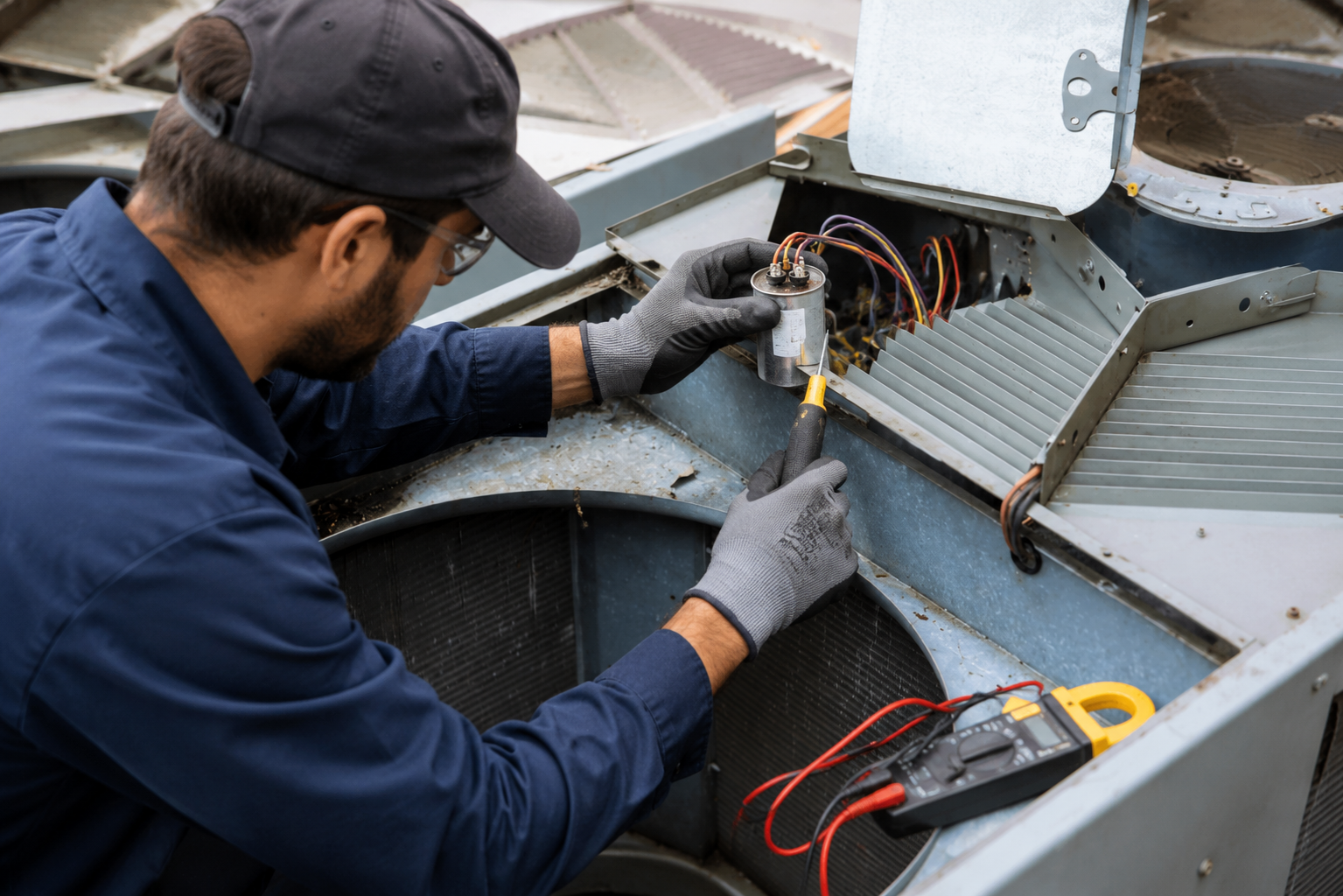
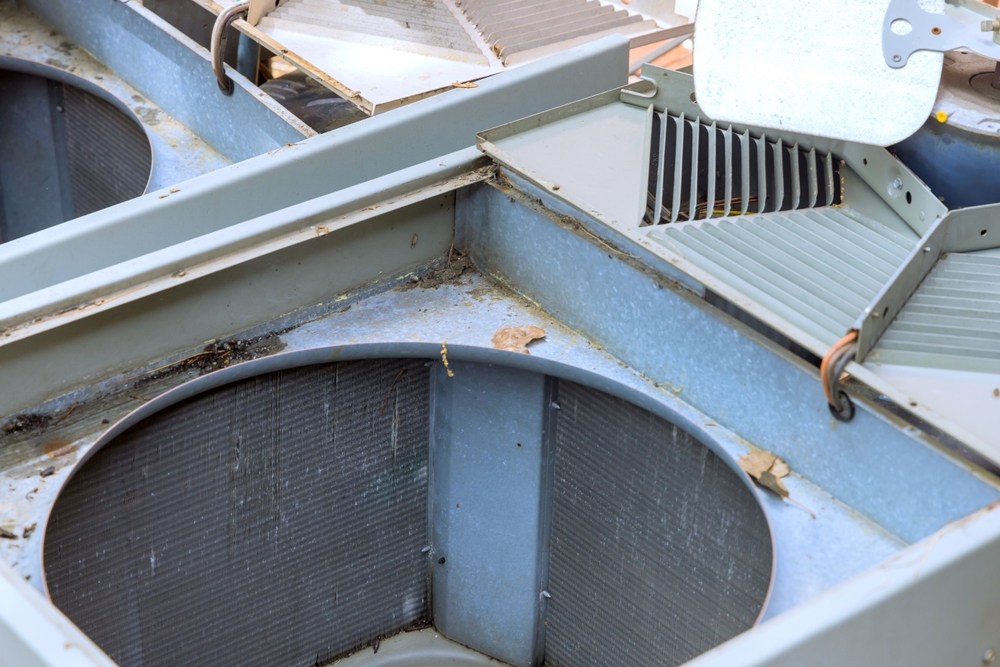
- Ductwork & sheet metal work: Technicians inspect, repair, or fabricate sheet metal transitions as needed (for example, using sheet metal fabrication in El Monte, CA, to ensure proper airflow and fit.
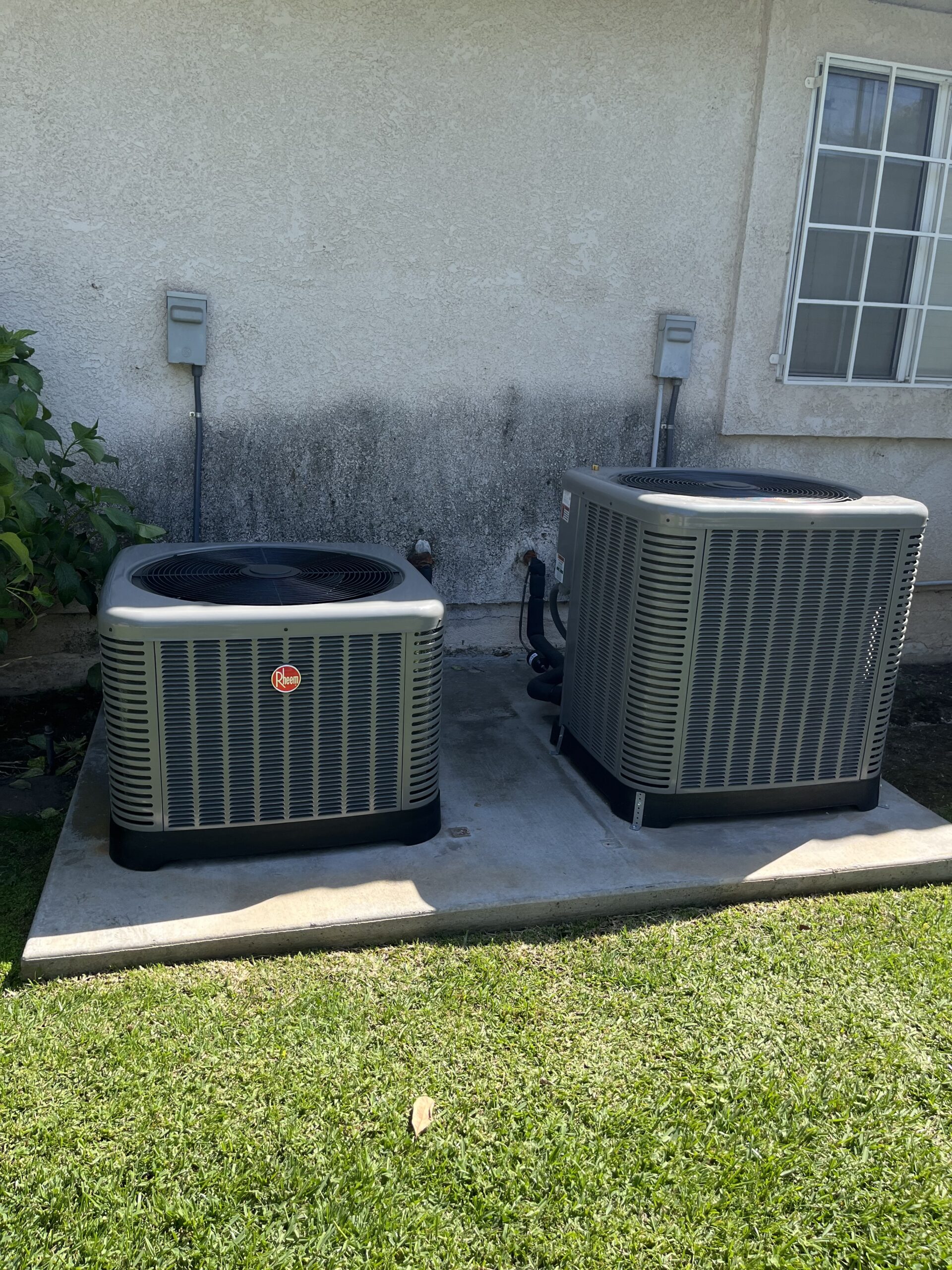
- New equipment placement & connection: The new unit is mounted, gas/electrical connections completed, and refrigerant or piping work finished to manufacturer specs.
- Controls & automation integration: Smart thermostats and zoning controls are installed and programmed to reduce waste and improve comfort.
- Startup, calibration & testing: Combustion, pressure, airflow, and safety tests confirm the system meets performance and safety standards.
- Walk-through & documentation: Installer explains operation, maintenance schedule, and provides warranty/permit paperwork.
Common Cost Drivers Homeowners Should Know
Installation pricing varies because of:
- System efficiency and brand choice.
- Required sheet metal or duct modifications.
- Electrical or gas upgrades are needed to meet code.
- Complexity of venting or routing in tight spaces.
- Optional controls, zoning, or smart integrations that cut bills long-term.
How Digital Tools Improve the Process
Modern installers use thermal imaging, combustion analyzers, and digital manifolds to confirm correct sizing, detect duct leakage, and calibrate for peak efficiency. These tools lower guesswork and help you choose the right solution, not just a quick fix.
Services Often Bundled With Replacement
Many homeowners take the opportunity to pursue complementary upgrades that increase ROI:
- Duct sealing and insulation (reduces lost heat).
- Smart thermostats and zoning to cut runtime.
- Insulation or air-sealing work to reduce overall load and reduce energy costs.
These HVAC upgrades for energy efficiency often shorten payback and improve comfort immediately.
What To Expect After Installation
Expect a 24 to 48-hour bedding-in period, during which the technician may return for a final check. Keep an eye on bills and comfort levels; slight thermostat tweaks or a short follow-up can optimize performance. Proper commissioning helps reduce energy use and can significantly reduce energy consumption in winter compared with a poorly matched or old system.
DIY vs. Professional: When to Hire an Expert
Simple thermostat swaps are homeowner-friendly, but equipment removal, gas lines, electrical changes, and venting require licensed professionals. A pro will also ensure permits are filed and warranties remain valid.
Conclusion
A successful heating replacement in El Monte, CA, is a combination of careful planning, accurate diagnostics, quality installation (including proper sheet metal work), and post-installation tuning. Choosing a contractor who uses digital tools and follows a documented process helps prevent problems, lower operating costs, and extend system life, all while improving comfort.
Contact Wukmir Heating and Air Conditioning at 626-442-2148 for a free compatibility check and a detailed installation estimate tailored to your home.
FAQs
Q. How long does a full heating replacement usually take in El Monte, CA?
Most homeowner installations in El Monte, CA, are completed in 1–3 days, depending on system complexity, duct modifications, and permit turnaround.
Q. Will the installer handle permits and inspections in El Monte, CA?
Yes, reputable contractors in El Monte, CA, pull required permits and coordinate inspections so the system meets local codes.
Q. Should I repair ducts or replace them during a heating swap?
If ducts are leaky, undersized, or poorly insulated, repairing or replacing them during installation maximizes efficiency and comfort.
Q. Can smart controls help prevent heating system breakdowns?
Yes, properly configured controls and monitoring can flag faults early and help prevent heating system breakdown by alerting you or your service provider to abnormal operation.