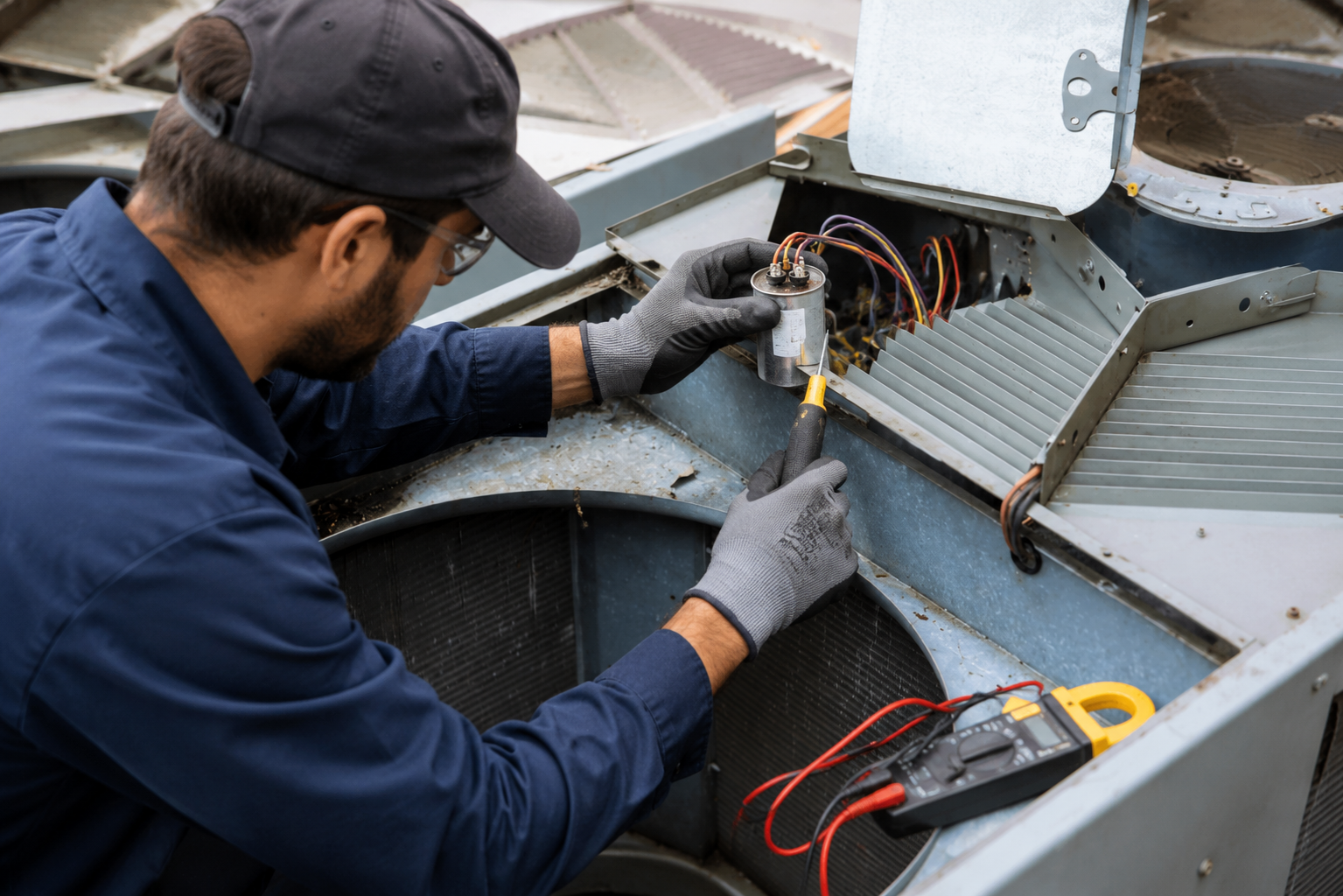


With advancements in technology, the HVAC industry is seeing smart systems. Automated heating systems move heating from manual thermostat fiddling to intelligent, data-driven control, and that shift translates directly into energy savings and better comfort. Small behaviors, such as forgetting to lower the heat or running long warm-ups, add up. Digital controls fix those problems automatically and keep your system running efficiently.
The importance of automation in home heating
Traditional thermostats only respond to user input; automated systems learn occupancy patterns, adjust for weather, and optimize runtime to deliver the temperature you want with less energy. That means less cycling, fewer wasted hours running empty rooms, and lower fuel or electricity use over the heating season.
How digital controls actually save energy
Before the bulleted list, note this: smart controls reduce waste in several measurable ways.
- Scheduled setbacks and adaptive recovery: The system lowers temperatures when you’re away or sleeping and times reheating so you don’t lose comfort.
- Occupancy sensing and geofencing: Automation can reduce heating in empty rooms and bring comfort back when you return.
- Weather compensation and outdoor sensors: The system adjusts output based on outdoor conditions rather than fixed setpoints.
- Zoning and dampers control: It delivers heat only where it’s needed, avoiding overheated spaces.
- Diagnostics and alerts: Automatic fault detection avoids inefficient operation that raises bills.
Key features to look for
Modern systems offer combinations of the above plus remote app control, voice assistant integration, and energy-reporting dashboards. If you’re considering upgrades, look for units that support open standards and integrate with other home automation for the smoothest performance. Many homeowners bundle heating efficiency upgrades at the same time they add smart controls to get the biggest seasonal savings.
Installation, compatibility, and replacement considerations
Automated controls can often retrofit existing furnaces, heat pumps, or boilers, but compatibility varies. If your system is very old or uses proprietary controls, consider whether a partial upgrade or a full replacement makes more sense. Searching for “heating replacement near me” will surface local pros who can evaluate whether retrofitting digital controls or replacing the system will give the best return.
How automation works with service providers
Contractors who offer full integration, from thermostat to zoning to ongoing monitoring, typically produce better long-term results. For example, combining periodic professional tune-ups with automated diagnostics lets technicians address small inefficiencies before they become big energy drains. If you’re comparing vendors, ask about warranties, remote monitoring options, and how they handle software updates.
Real savings and ROI
Savings depend on household patterns and climate, but studies and field reports commonly show 10–20% reductions in heating energy after installing intelligent controls and optimizing schedules and zoning. In some cases, pairing automation with insulation or system upgrades accelerates payback. For owners in nearby markets who want local help, many HVAC firms that advertise heating services in El Monte, CA, also handle smart thermostats and whole-home control installations.
Maintenance, security, and privacy
Automated systems are devices on your network that bring benefits (remote diagnostics) and responsibilities (firmware updates, secure passwords). Choose systems that offer automatic security patches and let you control what data is shared with service providers.
Conclusion
Automated heating systems turn your heating into a continuously optimized service rather than a manual chore. With the right controls, zoning, and professional support, homeowners enjoy steady comfort, fewer wasted hours, and meaningful energy savings.
If you are searching for “heating installation near me”, contact Wukmir Heating and Air Conditioning at 626-442-2148 for a compatibility check, savings estimate, and options for retrofit or full-system upgrades.
FAQs
Q. Will a smart thermostat work with my older furnace in El Monte, CA?
Many smart thermostats are compatible with older systems, but some very old or specialized controls require an adapter or professional integration. A quick compatibility check by a local technician in El Monte, CA, will clarify the issue.
Q. How long until automation pays for itself?
Typical payback ranges from 1–5 years, depending on your fuel type, usage patterns, and whether you pair controls with efficiency upgrades or insulation improvements.
Q. Can automation reduce the need for a full system replacement in El Monte, CA?
Sometimes, better controls and zoning can extend useful life by improving operation. However, if your system is inefficient or near end-of-life, a combined replacement plus automation is often the better long-term choice in El Monte, CA.
Q. Are remote monitoring services expensive?
Some installers include basic monitoring in service plans, while advanced analytics may be an add-on. Compare what’s included, such as alerts, diagnostics, and on-demand checks, when evaluating providers.