

Home heating problems rarely show up at a convenient time. One day, the system sounds “a little off,” and the next day, you’re wondering if it’s even worth fixing anymore. For many homeowners, especially those dealing with older systems, heating replacement in El Monte, CA, becomes a serious consideration rather than a general idea. In 2026, with higher utility costs and aging equipment across many homes, knowing when to repair and when to replace can save a lot of frustration and money.
1. Why This Decision Feels Harder Than It Used to Be
Years ago, the answer was simple: fix it if you can afford it. But today’s systems are more complex, and parts don’t always last like they used to. Homeowners are also more aware of monthly energy bills and comfort issues. That combination makes the repair-versus-replace decision feel heavier, because the wrong move can haunt you for years.
2. The Real Cost of “Just One More Repair.”
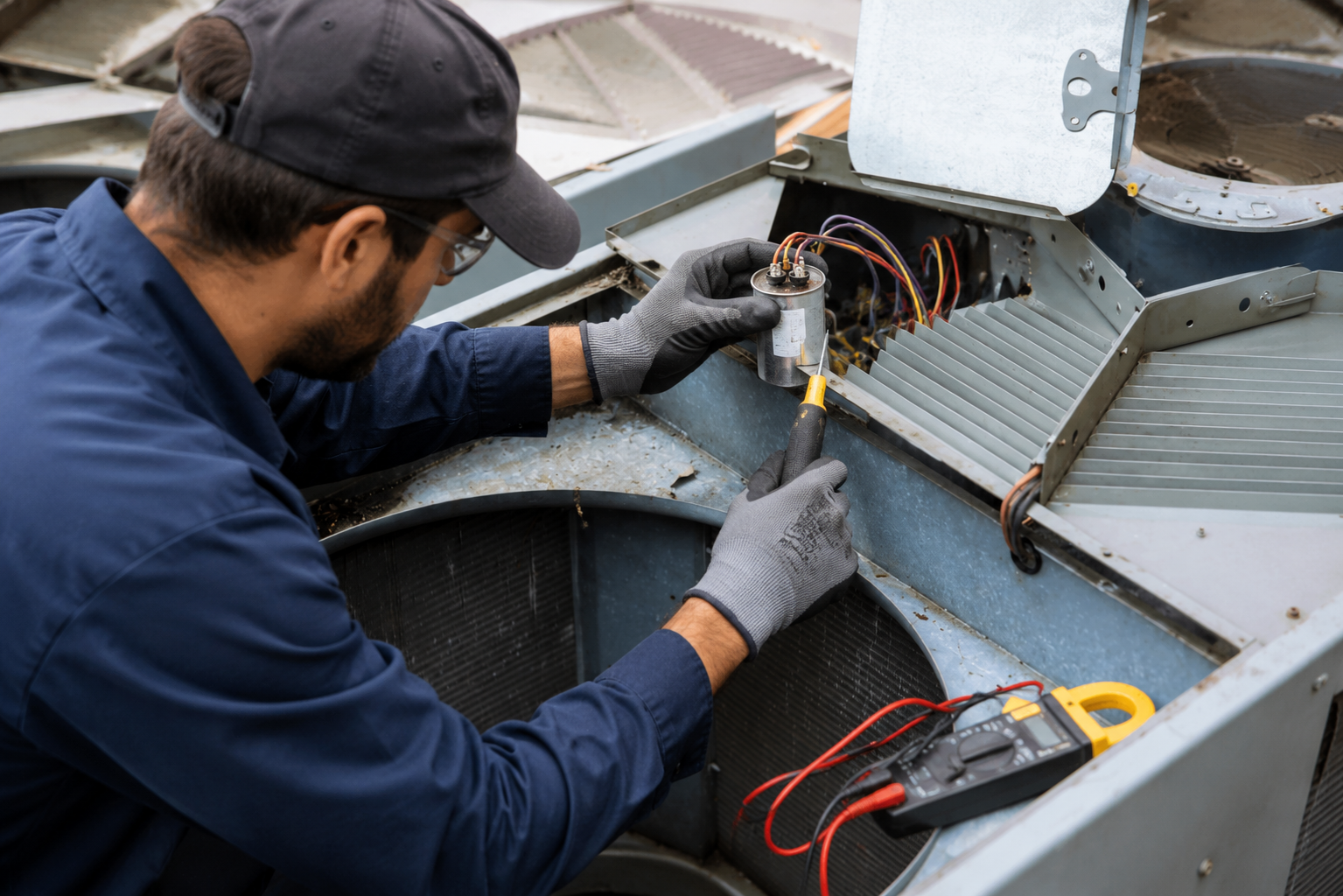
A single repair might seem harmless. But repairs have a sneaky way of stacking up. First, it’s a motor, then a sensor, then airflow problems. Before you realize it, you’ve spent thousands trying to keep an aging system alive. At some point, repairs stop being practical and start becoming a slow drain on your budget.
3. Age Isn’t Just a Number for Heating Systems
Most heaters weren’t designed to run forever. Once a system pushes past its expected lifespan, internal wear becomes unavoidable. Even if it turns on, it may not perform well. Older systems tend to run longer cycles, struggle in colder weather, and lose efficiency every season. That’s often when replacement starts making more sense than continuing repairs.
4. Comfort Problems Are a Bigger Clue Than Noise
Strange sounds get attention, but comfort tells the real story. Cold spots, uneven airflow, or rooms that never feel warm enough often point to deeper system issues. Sometimes those problems trace back to ductwork that needs attention, including custom sheet metal fabrication in El Monte, CA, to restore proper airflow. In many cases, though, a newer system solves these issues far more effectively.
5. Energy Bills Don’t Lie
If your heating bills climb every winter without a clear reason, your system may be working overtime just to keep up. Newer systems are designed to reduce energy consumption in winter by operating more efficiently and adjusting output as needed. Repairs rarely improve efficiency in a meaningful way. Replacement often does.
6. Reliability Matters More Than Most People Admit
No one wants to think about their heater failing during the coldest week of the year. Reliability becomes especially important once breakdowns occur more frequently. Replacing an unreliable system can help prevent heating system breakdown during peak demand, when emergency service is hardest to schedule and most expensive.
7. Installation Quality Shapes the Outcome
A heating replacement only pays off when it’s installed the right way. Proper sizing keeps energy use in check, safe connections protect your home, and correct airflow helps heat move evenly through every room. That’s why many homeowners search for “heating installation near me” services they can trust. A well-installed system runs smoother, lasts longer, and avoids early breakdowns. On the flip side, rushed or careless installation can wear a new unit down fast, sometimes even faster than age or skipped maintenance.
8. Replacement Opens the Door to Smarter Efficiency
One overlooked benefit of replacement is the chance to modernize the entire setup. Many homeowners take this opportunity to add HVAC upgrades for energy efficiency. Not only do these upgrades save energy, but they also just make the whole house feel a lot cozier on a day-to-day basis.
By 2026, the decision between a heating repair or full-on replacement is about so much more than just patching up what went wrong that winter. Its really about how well your setup is going to hold up over the next five to ten years. For newer systems having a one-off minor problem, a repair is usually the way to go. But on the other hand, when those comfort levels start to drop, energy bills start going through the roof, and you’re finding your unit is breaking down more often, it’s probably time to consider pulling the plug and getting a brand new one. The goal is to choose the solution that will let you have some consistent warmth, long-term savings, and a heating and cooling system that actually works without turning every winter into guesswork.
Not sure if repair or replacement is the right move? Wukmir Heating and Air Conditioning breaks it down clearly, with straight talk and solutions that fit your home. Contact our expert team at 626-442-2148 for advice you can rely on.
FAQs
Q. How do I know when repairs stop being worth it?
When repairs become frequent, or costs keep rising without improving comfort, replacement is usually the smarter long-term move.
Q. Will a new heating system really lower my bills?
In most cases, yes. New systems operate more efficiently and avoid the energy waste common in older units.
Q. Is it better to replace before total failure?
Absolutely. Planned replacement avoids emergency costs, rushed decisions, and unexpected downtime during cold weather.