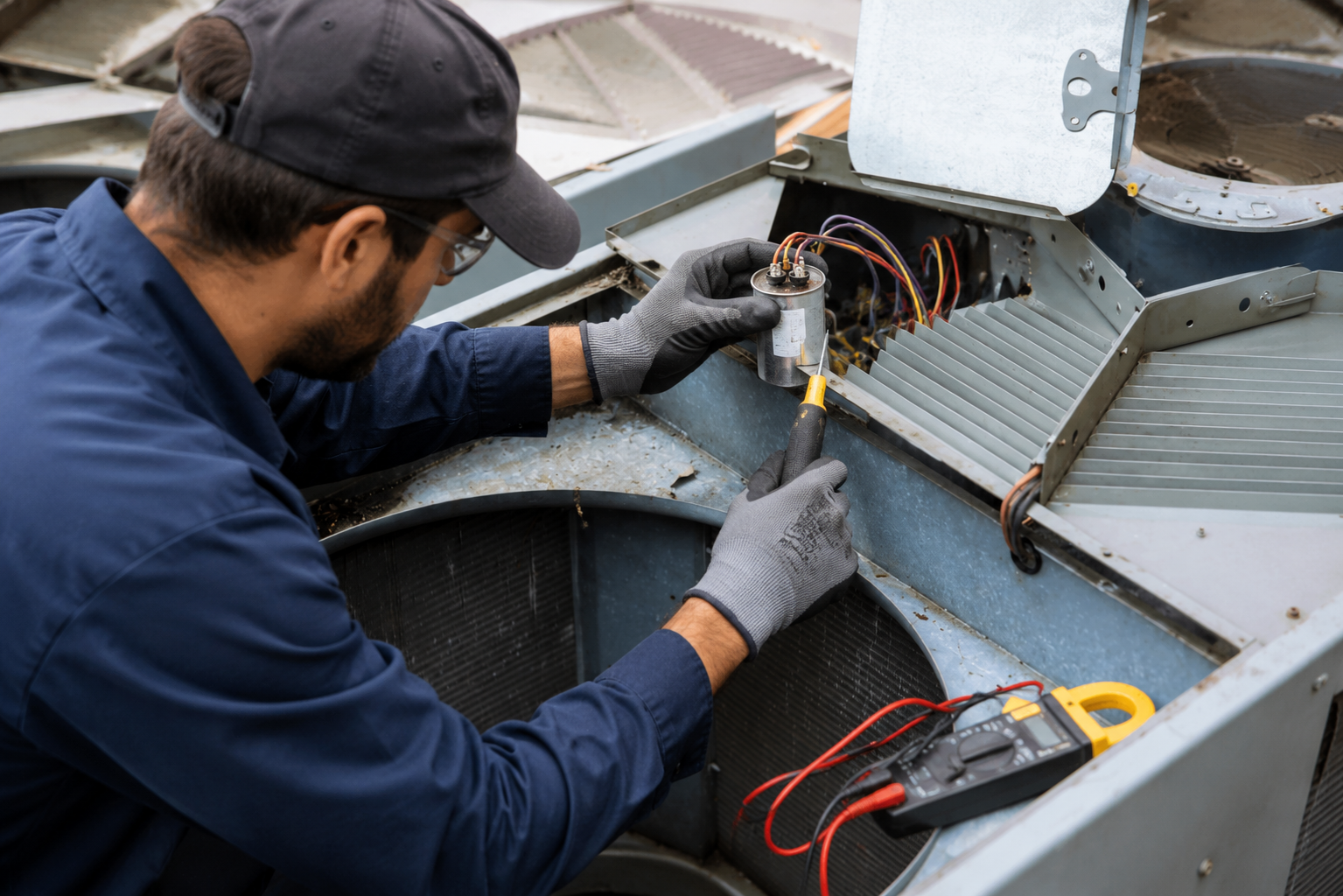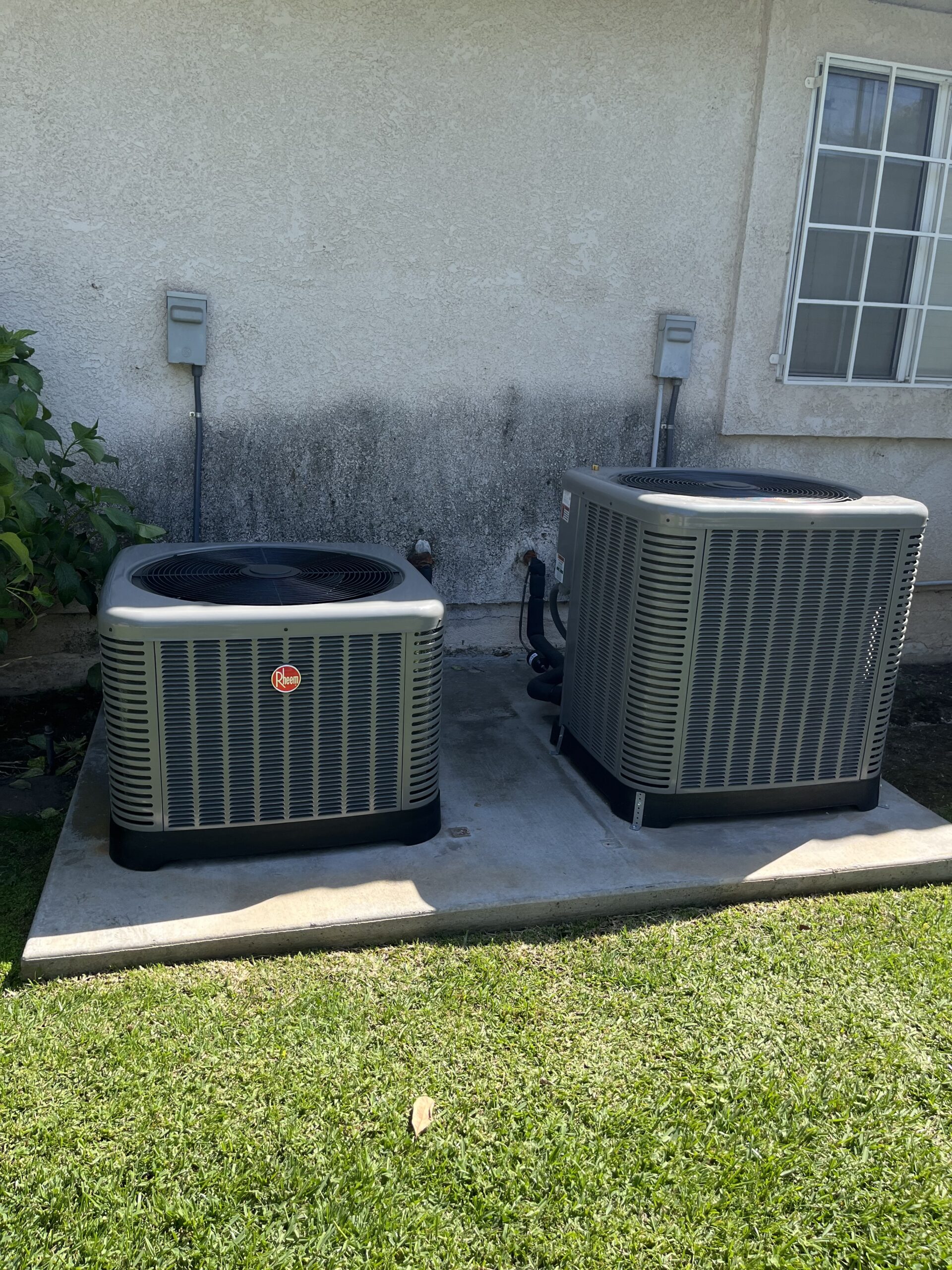



Homes today are becoming more connected, and automated heating systems are leading the shift toward effortless comfort and energy savings. These advanced systems use sensors, smart controls, and adaptive technology to keep indoor temperatures consistent while reducing waste. They learn habits, adjust in real time, and ensure that homeowners enjoy reliable warmth with less manual effort. In the process, they create a more efficient, eco-friendly, and cost-effective environment that works in sync with everyday routines.
As smart homes evolve, heating automation is no longer a luxury. It is a practical upgrade for homeowners who want greater control. This new wave of innovation blends data-driven performance with responsive features designed to optimize comfort at every moment. With more people searching for “heating service near me”, it’s clear that convenience and precision are major priorities for modern households.
1. Smart Sensors That Detect and Respond Instantly
Smart sensors form the backbone of intelligent heating. They detect temperature fluctuations, occupancy, humidity levels, and even sunlight exposure to maintain consistent comfort. By gathering real-time data, these sensors help systems make better decisions without requiring constant manual adjustments.
This ability to react instantly means energy is used only when needed, significantly reducing waste. For example, a system may lower output when a room is empty or increase warmth when cold weather hits unexpectedly. This automatic responsiveness delivers a more personalized indoor climate while helping homeowners reduce costs over time.
2. Learning Algorithms That Adapt to Your Routine
Modern heating automation uses AI-driven learning algorithms to understand daily patterns. Over time, the system recognizes when you wake up, leave the house, or go to sleep, adjusting temperatures accordingly. This creates a tailored heating schedule that offers comfort without unnecessary energy use.
Instead of relying on manual programming, the system adapts naturally to your lifestyle. Even unexpected changes can be accommodated, as advanced models respond to new patterns quickly. The result is smooth, efficient performance supported by technology that enhances convenience.
3. Remote Control and Real-Time Monitoring
With the rise of smart home apps, homeowners can now monitor and control heating from anywhere. These tools allow users to adjust temperatures, track consumption, and receive alerts for unusual system behavior. Remote access ensures you never have to return to a cold home or leave heating running unnecessarily.
This level of control enhances peace of mind, especially when traveling. If an issue arises that requires heating repair, real-time alerts can help you act quickly to avoid bigger problems. Remote monitoring also empowers homeowners to make smarter decisions that reduce energy bills.
4. Integration With Other Smart Home Technologies
These heating solutions integrate seamlessly with devices like smart thermostats, air purifiers, lighting systems, and voice assistants. This creates a unified ecosystem where every component works together to maintain ideal indoor conditions. When the home is occupied, systems adjust automatically to match comfort needs.
Such integration improves efficiency and user experience. For instance, when lights are turned off and motion sensors detect no activity, the heating system may reduce output. This interconnected environment offers streamlined comfort that enhances overall home performance.
5. Enhanced Comfort Through Zoning Technology
Zoning divides the home into separate temperature-control areas, ensuring every space receives the right amount of heat. This prevents energy waste caused by heating unused rooms and allows individuals to customize comfort in bedrooms, living spaces, and work areas.
Advanced zoning solutions deliver impressive flexibility. Families can enjoy varying temperature preferences without overworking the system. When paired with sheet metal services for custom ductwork, zoning becomes even more efficient and precise.
6. Predictive Maintenance for Better Reliability
AI-enabled systems can predict issues before they escalate, providing reminders for tune-ups and detecting early warning signs of malfunction. This helps prevent unexpected breakdowns, especially during peak winter months. Predictive alerts minimize disruptions and help maintain smooth operation throughout the year.
This proactive approach also extends system lifespan. When maintenance is performed on time, components stay in better condition. Predictive technology ensures homeowners stay informed and avoid expensive emergency repairs.
7. Greater Energy Efficiency and Lower Bills
One of the biggest advantages of intelligent heating is reduced energy consumption. Automated controls prevent overheating, minimize runtime, and ensure the system operates at peak efficiency. These savings accumulate significantly over time, especially during long winter seasons.
Many homeowners choose heating efficiency upgrades to maximize these benefits. Pairing automation with improved insulation, energy-efficient equipment, or duct sealing amplifies performance. This combination delivers stronger comfort and long-term affordability.
8. Sustainability and Reduced Environmental Impact
Smarter heating systems promote greener living by cutting carbon emissions and reducing reliance on fossil fuels. Their ability to optimize performance ensures that energy is used responsibly without sacrificing comfort. Over time, this shift contributes to more sustainable communities and eco-friendly home environments.
This environmental focus aligns with the growing desire among homeowners to reduce their footprint. Whether through renewable heat sources or advanced system automation, smart heating technology supports a cleaner future.
Conclusion
Intelligent heating is transforming the way people control indoor comfort. From learning algorithms to predictive maintenance and zoning technology, these innovations create an efficient and responsive home environment. As more households embrace advanced automation, the future of warmth and convenience continues to evolve.
CTA
Upgrade your comfort with smarter solutions. Get expert guidance with our skilled team at Wukmir Heating and Air Conditioning at 626-442-2148 and experience the difference intelligent heating can make.
FAQs
1. What are the main benefits of automated heating systems?
They improve efficiency, enhance comfort, learn your daily patterns, and reduce energy waste. These systems also offer remote control options and predictive maintenance support for long-term reliability.
2. How do smart sensors improve home heating performance?
Smart sensors monitor occupancy, temperature, and environmental changes. They help the heating system respond instantly and maintain consistent comfort without manual intervention.
3. Do automated systems help reduce heating costs?
Yes. By limiting energy use to when it’s needed, automating temperature schedules, and preventing overheating, these systems significantly lower monthly heating expenses.