

Introduction
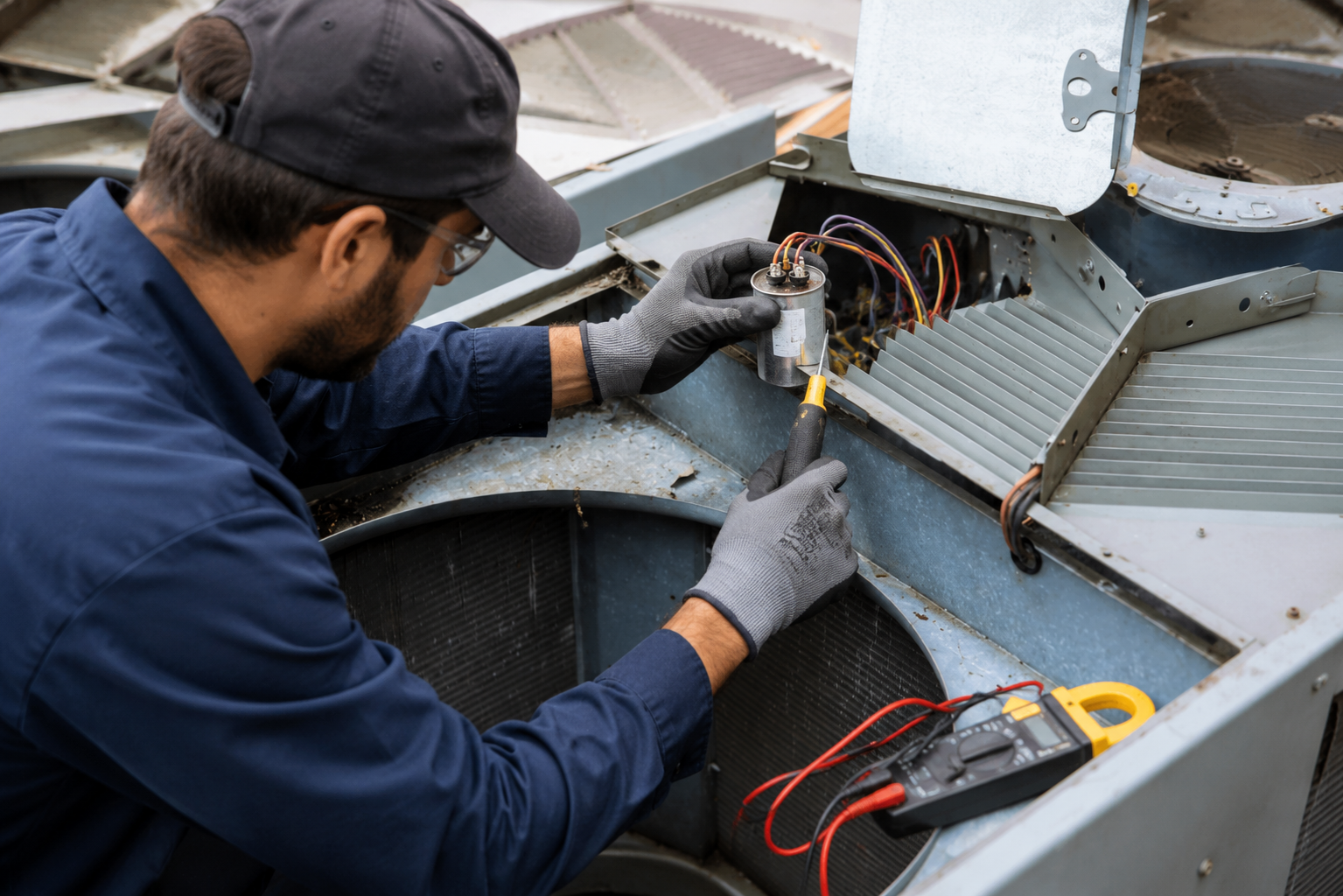
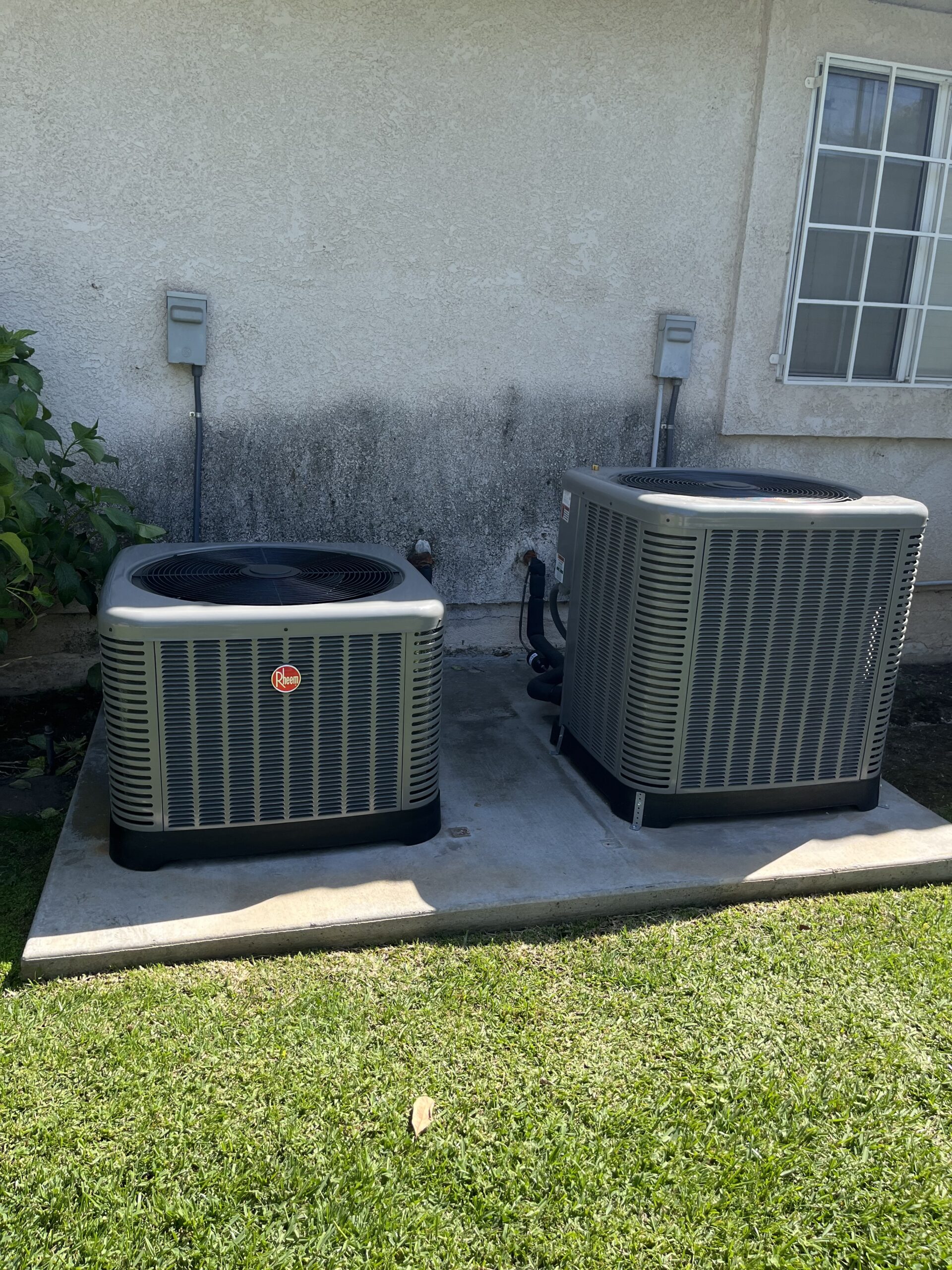
Did you know that precision sheet metal work shapes nearly every modern structure – from HVAC systems to industrial enclosures? The process behind sheet metal fabrication in El Monte, CA, blends engineering skill, creativity, and the right materials. Professionals rely on precise cuts, folds, and finishes to bring designs to life. Yet, small mistakes in planning or handling can lead to costly waste and rework. This guide offers practical insights and professional hacks for anyone looking to understand the craft better. From choosing metals to boosting efficiency, each section builds toward smarter, more reliable fabrication outcomes.
Sheet Metal Fabrication: Expert Insights
1. Smart Material Choices for Better Results
Selecting the right metal is the foundation of any project. Aluminum, stainless steel, and galvanized steel each offer distinct benefits in strength, flexibility, and resistance. Understanding where and how each fits saves time and cost. Beginners often pick materials based on price alone, overlooking how the environment affects performance. Thinking about corrosion, thermal expansion, and finish quality before cutting leads to longer-lasting results. Good material selection also simplifies later processes like welding, bending, or coating, making every stage more efficient.
2. Design Planning That Saves Time and Cost
Thoughtful design minimizes errors before the first cut. Detailed drawings with correct dimensions and tolerances prevent material waste. Software tools such as AutoCAD or SolidWorks make visualizing complex projects easier, but accuracy still depends on human review. When designers and fabricators collaborate early, potential fitting issues can be fixed before production. Efficient designs reduce scrap, simplify assembly, and lower energy use in cutting or welding – benefits that ripple through the entire process.
3. Precision Cutting Techniques for Smooth Edges
At the core of modern metalwork lies custom metal fabrication. Cutting precision defines both appearance and function. Laser and plasma cutting technologies create clean lines with minimal distortion, ideal for detailed designs. For thicker metals, waterjet cutting offers flexibility without heat damage. Operators should regularly inspect tools and maintain calibration to avoid uneven edges. Even the best machines rely on steady handling and proper speed settings. Good cutting practice not only improves accuracy but also reduces the need for post-processing.
4. Welding and Assembly Practices That Last
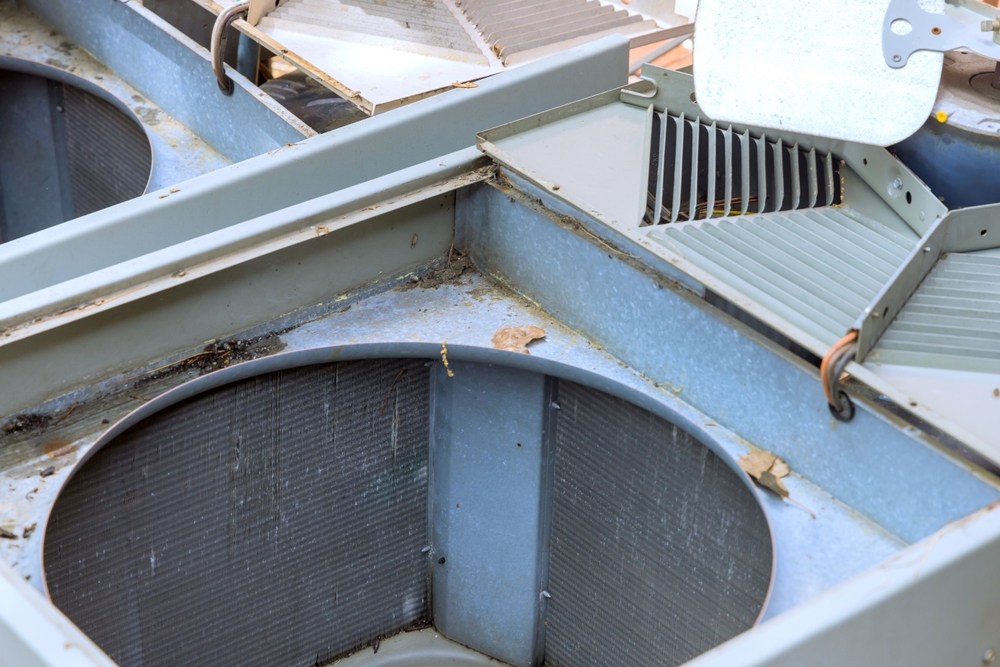
Strong joints give structure to every project, and HVAC ductwork fabrication is no exception. Whether using MIG, TIG, or spot welding, matching the process to the metal type is key. Proper heat control prevents warping, while consistent weld beads improve durability and appearance. During assembly, alignment and fitment play a major role in system efficiency, especially in air or fluid flow designs. Taking time to inspect welds and connections before final installation helps maintain performance and safety for years to come.
5. Finishing Touches That Enhance Durability
A well-finished product stands out both visually and functionally. Polishing, coating, or painting not only protects metal surfaces but also improves their appeal. Surface preparation (like removing oil, rust, or debris) helps coatings bond better. Techniques such as powder coating and anodizing increase resistance to corrosion and scratches. Proper storage and handling after finishing prevent dents or fading. Paying attention to these final steps can turn a functional project into a professional-grade piece that lasts longer and looks better.
Conclusion
Call Wukmir Heating and Air Conditioning at 626-442-2148 to speak with our skilled team about custom designs, precise fabrication, or a quick project estimate today.